For decades, the city of Los Angeles has failed to invest in housing that is affordable to its residents and failed to adequately protect tenant rights. A direct consequence of this is evident through the increasing numbers of families and individuals experiencing displacement, gentrification, and, homelessness for LA’s most vulnerable residents. The unmet need for affordable housing threatens families with displacement and homelessness and compromises our region’s economic strength.
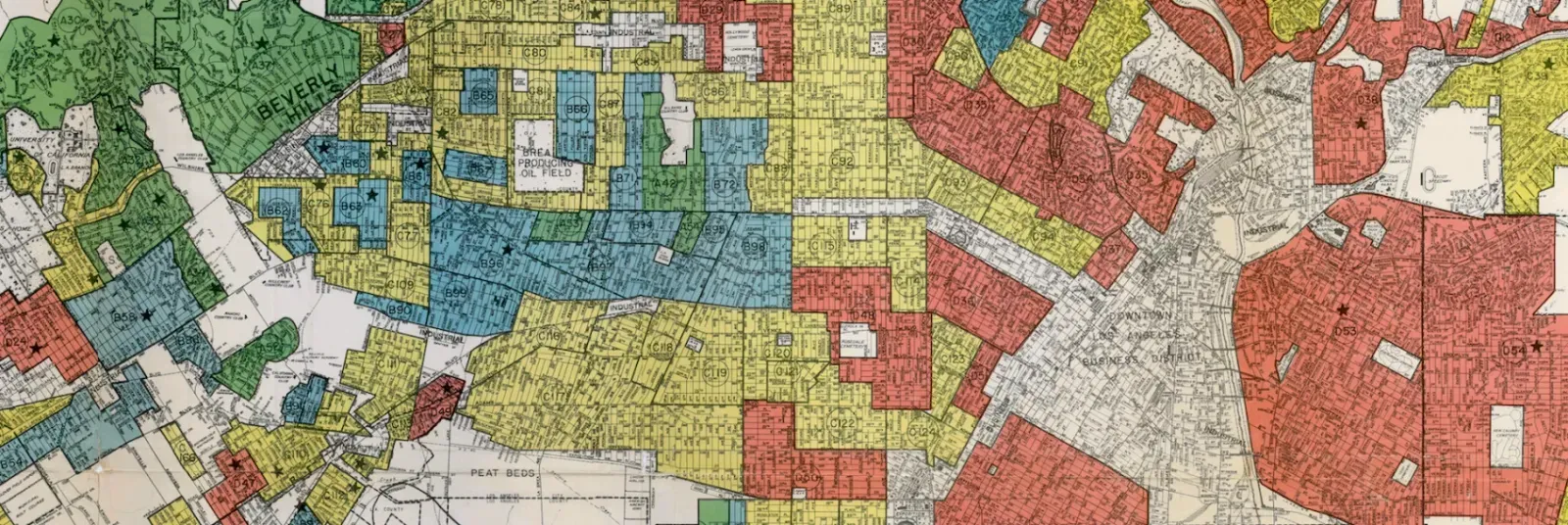
Systemic inequity in our planning and land use policies has fostered our current housing crisis, with Los Angeles still reeling from the racist practice of redlining. This federal policy segregated urban areas into zones based on their demographic and physical characteristics. The result was racial segregation and generational and systematic disinvestment in many neighborhoods of color. Meanwhile, affluent neighborhoods have actively resisted any growth, especially in the form of affordable housing, while communities of color have become dumping grounds for facilities not wanted anywhere else, such as freeways, airports and landfills.
The housing crisis is Los Angeles’ number one issue. Our ability to address our climate and sustainability goals is limited if we cannot provide affordable housing options near high quality transit.
ACT-LA envisions a transit-rich Los Angeles where all people have access to quality jobs, affordable housing, necessary social services, ample transportation options, and a voice in shaping the growth of their neighborhoods. To achieve this new Los Angeles, we must change the way planning and development occurs.
The City of Los Angeles updates its 34 community plans on a regular cycle. These community plans determine the future vision for growth and development in LA’s neighborhoods. Community organizations and low-income residents have a vital role to play in determining the future of their community, including the creation and preservation of affordable housing, access to parks, and safe streets.
Additionally, the city of Los Angeles updates its Housing Element —“The plan to house LA”—every eight years. This plan includes policies and programs to accommodate the production of a certain number of housing units to be built across the city, as mandated by the state of California’s Regional Housing Needs Allocation (RHNA). Los Angeles city was mandated to build 456,643 units of affordable housing in the Housing Element cycle for 2021-2029.
The community planning process in Los Angeles must be inclusive, diverse and where all residents have a voice in decision-making, especially residents who have been marginalized. Equitable community development requires strong community leadership to shape community plans that will create healthy and thriving neighborhoods. The leadership and experiential knowledge of affected low-income communities should ultimately drive an equitable community plan campaign.
ACT-LA and Public Counsel developed a guide for equitable community planning, Planning for an Equitable Los Angeles: A Guide to Shaping LA’s New Community Plans, centered on five core principles we believe will help facilitate community-led planning and equitable development:
Growth and preservation of affordable housing
Inclusive economic development that supports workers and businesses
Community health and environmental justice
Liveable, publicly accessible, walkable and bikeable public areas
Community leadership and authentic engagement
Within this guide we provide a series of tools that community group stakeholders may consider in a campaign to advance equitable development in the community plan updates. These tools draw on best practices, lessons from previous efforts, and the experiential knowledge of ACT-LA organizations and resident leaders.
Housing plans need to include bold, affirmative policies that preserve existing affordable housing stock, enact strong protections for renters, and produce affordable housing units at scale.
In October 2021, the LA City Council voted on the Housing Element, and ACT-LA’s recommendations were incorporated into the 2021-2029 Housing Element. Although ACT-LA pushed for a full Environmental Justice Element to complement the city of Los Angeles’ Housing Element, the City Council did not commit to one.
As Los Angeles enters its 2021-2029 Housing Element cycle, ACT-LA will be closely monitoring Los Angeles’ compliance with its Housing Element, and to continue to advocate for housing policy that advances affordable housing and strong renter protections.
